Most clergy pride themselves on being biblically literate. We realize that biblical literacy is not a one-shot affair; we continue to dedicate time and energy to scriptural study throughout our careers.


What's in this article:
Ever find yourself fumbling through your bag for your wallet and cash while the person in front of you just taps their phone and walks away in a breeze? That’s the magic of a digital wallet, turning a frantic search into a seamless tap-and-go with an otherwise great sense of security.
What Are Digital Wallets?
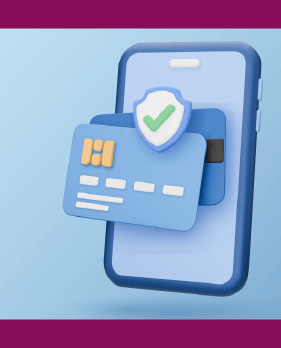
A digital wallet is software that securely stores your banking information and passwords on your cellphone and electronic devices, allowing for seamless and secure checkouts whether you’re in person or shopping online. Digital wallets can include Apple Pay, Google Pay, PayPal, Cash App, and many more.
Other than your debit and credit cards, digital wallets can also store:
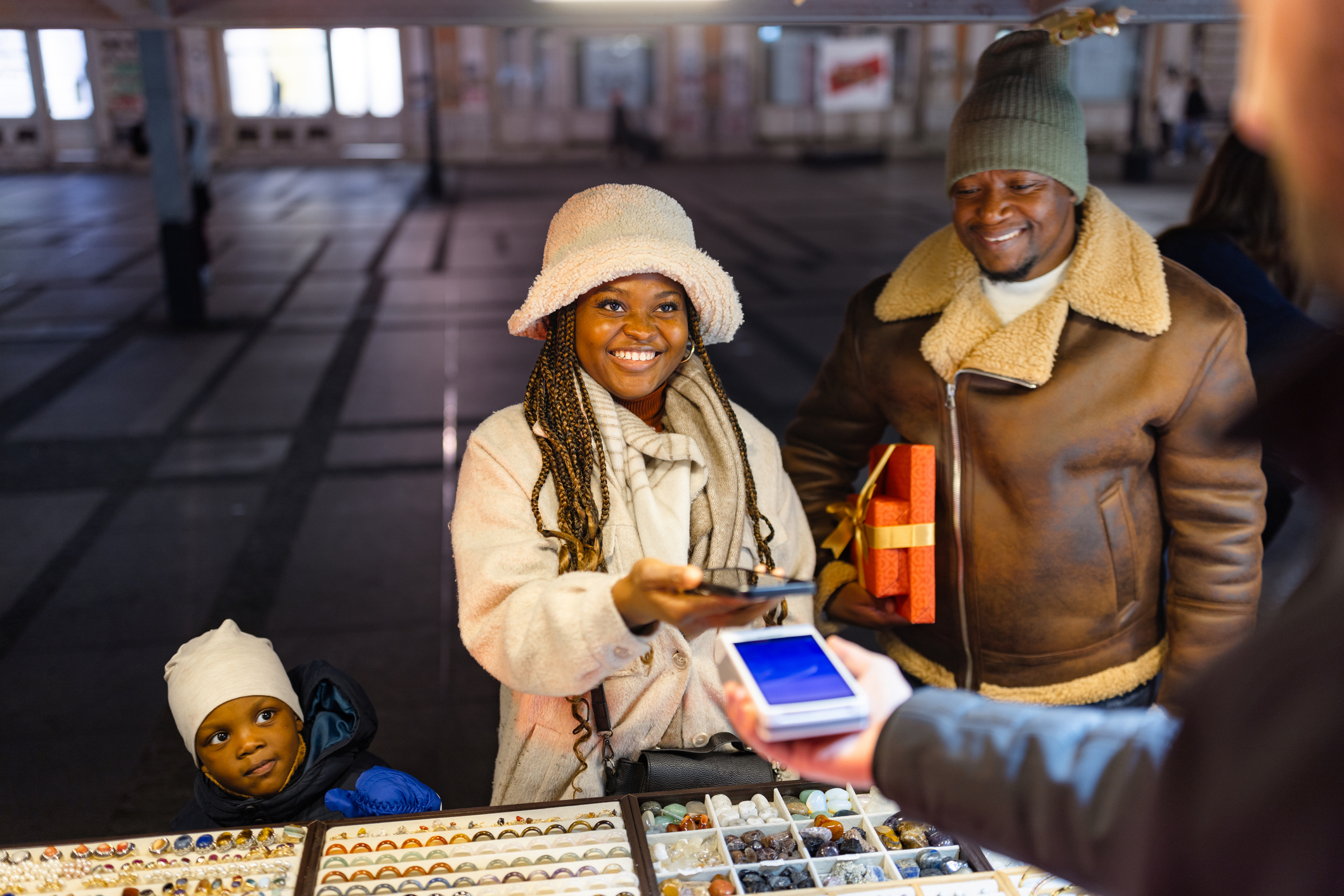
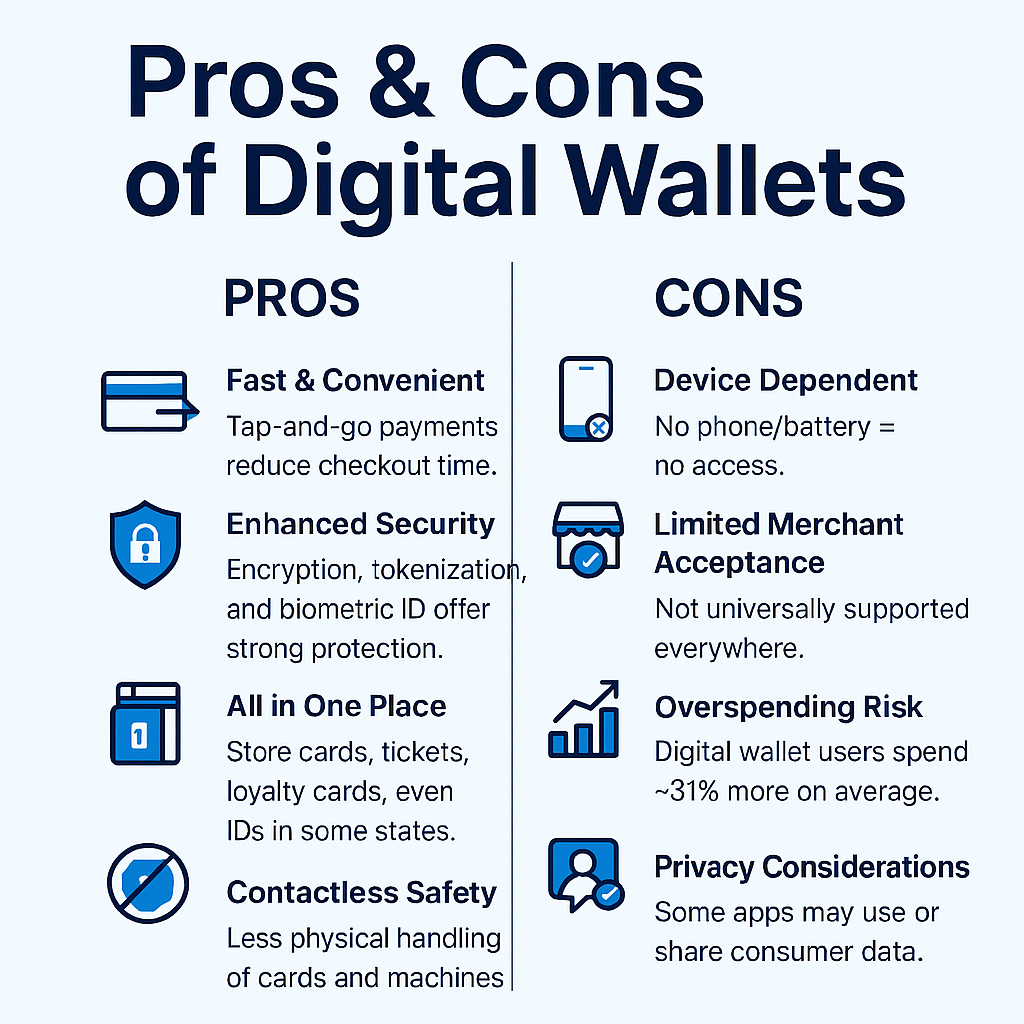
Contactless payments have become a major advantage of using digital wallets. In 2024, 57 percent of U.S. adults used digital wallets and 53 percent of Americans used electronic wallets more frequently than traditional payment methods.¹ This has transformed our daily shopping experience and even our spending habits, with privacy and security being the biggest influencer for the surge in usage. The ease of use and accessibility of simply tapping your phone has been a driver in an increase in consumer spending. In fact, per an Amazon Web Services survey, 2 digital wallet users on average spend 31 percent more than those who use traditional payment methods. Thus, those who use electronic wallets may need to be more cautious about avoiding overspending.
While the convenience of tapping your phone plays a major role, digital wallets are also designed with multiple layers of privacy and protection features that often make them more secure than a physical card.
Security Features & Privacy
Digital wallets offer advanced security features, such as encryption, tokenization and multifactor authentication to protect consumers’ finances and ensure privacy during transactions.
One of the primary features of an electronic wallet is encryption. This is an advanced technology that scrambles personal payment data, making it unreadable to hackers and any unauthorized individuals who might try to intercept it during a transaction.3
In addition to encryption, digital wallets also use tokenization, which is designed to generate a one-time encrypted code or “token” during transactions instead of sharing your actual card number. This feature reduces the risk of fraud if a merchant’s system is compromised.
Another layer of protection comes from multifactor authentication, using technology such as Face ID, fingerprint scanning, and secure one-time passwords. If your phone happens to be lost or stolen, the unauthorized user will not be able to complete a transaction without completing authentication.
Tips on Safe Usage
While digital wallets offer built-in security features, users still play a crucial role in protecting their personal information. A few simple habits can significantly reduce the risk of fraud:
Electronic wallets offer a fast, convenient way to pay while reducing the need to carry physical cards or cash. With built-in security features and responsible usage habits, they can be a safe and efficient tool for managing everyday transactions. Understanding how digital wallets work and how to use them safely can help consumers decide whether they fit into their everyday financial routine.
Sources
Digital Wallet Statistics (2025): Users, Growth Rate & Trends1
Consumers spend more with digital wallets2
Are Digital Wallet Transactions Secure? | PayPal US3
The inclusion of references to third parties is purely informational and does not constitute an endorsement by MMBB.
Translations of any materials into languages other than English are intended solely as a convenience to the non-English-reading public. We have attempted to provide an accurate translation of the original material in English, but due to the nuances in translating to a foreign language, slight differences may exist.
Las traducciones de cualquier material a idiomas que no sean el inglés son para la conveniencia de aquellos que no leen inglés. Hemos intentado proporcionar una traducción precisa del material original en inglés, pero debido a las diferencias de la traducción a un idioma extranjero, pueden existir ligeras diferencias.
You will be linking to another website not owned or operated by MMBB. MMBB is not responsible for the availability or content of this website and does not represent either the linked website or you, should you enter into a transaction. The inclusion of any hyperlink does not imply any endorsement, investigation, verification or monitoring by MMBB of any information in any hyperlinked site. We encourage you to review their privacy and security policies which may differ from MMBB.
If you “Proceed”, the link will open in a new window.

 Back to Top


 Next
Next Next
Next