
Most clergy pride themselves on being biblically literate. We realize that biblical literacy is not a one-shot affair; we continue to dedicate time and energy to scriptural study throughout our careers.



What’s in this Article:
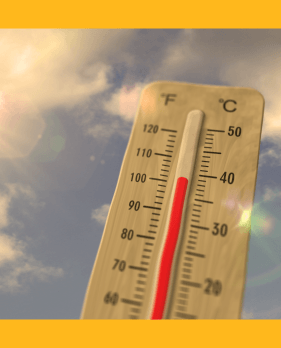
As we settle into Spring, we anticipate the unofficial start of summer, which is only a month away. Summer may mean barbecues, fun on the beach and vacations, but it also means air conditioning and fans for indoor activities. With electric costs and oil prices on the rise, managing your energy bills is more important than ever. A few proactive choices can help keep your home cool and comfortable without destroying your budget.
Scheduling an annual tune-up by a professional can ensure your air conditioning unit runs efficiently and extends its lifespan. While there’s an upfront cost, the long-term savings on repairs and energy bills make it worthwhile. It’s also better to discover potential issues off season rather than during the heat of summer when the system is working hardest.
Change filters regularly. Replacing or cleaning the air filters in air conditioning units and vents can improve air flow and efficiency, possibly reducing energy usage and also improves indoor air quality.
Ceiling fans should be cleaned to ensure they’re ready for summer use. Set the fans to rotate counterclockwise, which pushes cool air down and makes rooms feel cooler. Then you can set your thermostat higher, reducing your cooling system’s energy usage.
If you don’t have ceiling fans, consider investing in a few oscillating fans that you can move easily to any room where you and your family are spending time.
Strive for Year-Round Efficiency
The following tips can improve your home’s energy efficiency, not just during the summer, but all year long.
Programmable or smart thermostats can be set to optimize your home’s temperature during hot weather, helping you stay comfortable while using less energy. These types of thermostats allow you to create schedules that automatically adjust the temperature when you’re asleep or away from home. Many can be controlled remotely from your cellphone, giving you more flexibility. By reducing unnecessary cooling and maintaining consistent settings, an optimized thermostat can lower energy use and help keep cooling costs under control during the hottest months.
When it comes to energy costs, small changes can make a meaningful difference. By maintaining your cooling systems, improving airflow, sealing leaks, blocking excess heat, and using your thermostat strategically, you can stay comfortable while keeping energy use and expenses under control. These steps not only help protect your budget, but also improve your home’s efficiency year-round, making them a smart investment no matter the season.

Translations of any materials into languages other than English are intended solely as a convenience to the non-English-reading public. We have attempted to provide an accurate translation of the original material in English, but due to the nuances in translating to a foreign language, slight differences may exist.
Las traducciones de cualquier material a idiomas que no sean el inglés son para la conveniencia de aquellos que no leen inglés. Hemos intentado proporcionar una traducción precisa del material original en inglés, pero debido a las diferencias de la traducción a un idioma extranjero, pueden existir ligeras diferencias.
You will be linking to another website not owned or operated by MMBB. MMBB is not responsible for the availability or content of this website and does not represent either the linked website or you, should you enter into a transaction. The inclusion of any hyperlink does not imply any endorsement, investigation, verification or monitoring by MMBB of any information in any hyperlinked site. We encourage you to review their privacy and security policies which may differ from MMBB.
If you “Proceed”, the link will open in a new window.

 Back to Top



 Next
Next