Most clergy pride themselves on being biblically literate. We realize that biblical literacy is not a one-shot affair; we continue to dedicate time and energy to scriptural study throughout our careers.




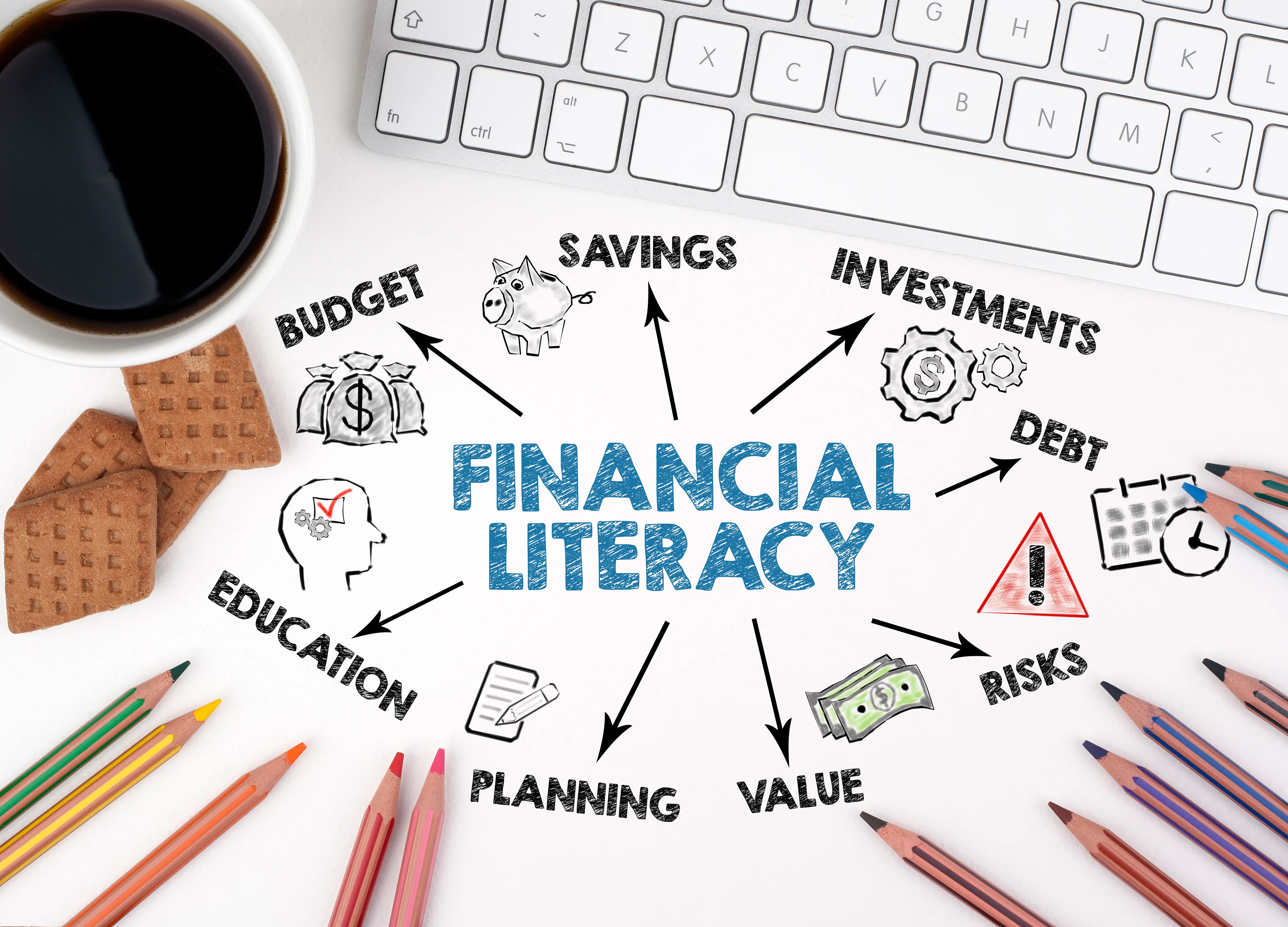
Today’s world is complex and unpredictable, making financial wellness more challenging than ever. Financial wellness is not just about money — it is a balance of the mental, spiritual and physical aspects of managing financial resources.
So, what distinguishes those who constantly struggle from those who achieve long-term financial stability? True financial wellness reflects a state of minimal stress about money, clear awareness of budgeting and cash flow, a strong financial foundation, and an ongoing plan for the future. Let’s explore each of these four categories.
#1: MINIMAL FINANCIAL STRESS
Today, financial wellbeing isn’t just about savings or investments —it’s about how people feel about their money. Only 29% of people felt hopeful about their financial future in 2025, down from 60% the year before. Financial stress, anxiety and confidence are now essential parts of financial planning conversations.
Financial literacy and guidance can help people take more control of their money. A certified financial planner (CFP®), who is required by law to make recommendations with their client’s best interests in mind, can provide you with money management advice and resources.
#2: KNOW YOUR BUDGET AND CASH FLOW
An understanding of your total income and expenditures is crucial to achieving your financial goals. You must identify your individual compensation, which includes your cash salary and your spouse’s compensation if you’re married. If you’re a clergyperson, it also includes your housing allowance and Social Security/Medicare tax offset.
#3: A STRONG FINANCIAL FOUNDATION
Resting on solid financial ground depends on three pillars: manageable or minimal debt, healthy savings habits, and living within one’s means.
Managing debt: Let’s face it, many of us are on a tight budget or in some debt. What matters is learning to reduce debt strategically and stay under budget. Start by collecting financial records — pay stubs, bank statements, credit card statements — and documenting income and expenses to the penny. Then list all creditors, outstanding balances, interest rates, and minimum monthly payments.
Two common approaches can guide debt repayment:
Whichever method you choose, the key is consistency and avoiding new debt while eliminating existing balances.
Emergency savings: Solid finances also include an emergency fund for unexpected expenses like medical bills or major home or car repairs. It contains at least three to six months of expenses and, if you’re self-employed, estimated taxes. Building this financial cushion provides peace of mind and helps prevent reliance on high interest credit when emergencies arise.
Monitor your credit: Knowing your credit score is another essential component. Credit scores influence loan approvals, interest rates, and in some cases, even employment opportunities. Consumers can obtain accurate credit reports through Experian, TransUnion or Equifax.
#4: A CONTINUOUS FINANCIAL PLAN
Financial wellness is not one-and-done — it requires ongoing planning and saving as life’s circumstances change. A comprehensive financial plan supports both short-term needs, such as paying your monthly bills comfortably, and long-term goals, such as buying a home, starting a family, paying for education, or preparing for retirement.
Retirement planning: Planning for retirement early is vital. A widely cited rule of thumb is to accumulate savings equal to about 10 times your final salary, though individual needs might vary based on lifestyle and family factors. The earlier you start saving and investing, the more time investments have to grow, reducing stress later in life.
Insurance for financial protection: Insurance plays a pivotal role in safeguarding financial wellness. Key types of coverage include:
Estate planning: Estate planning is often overlooked, yet it is essential for adults of all ages — not just seniors or those with significant wealth. A basic estate plan ensures that personal and financial wishes are honored during incapacitation or after death. Core components include:
Without a will (dying intestate), state laws determine distribution of your property, which might not align with your personal wishes. Consulting an estate planning attorney helps ensure documents are valid and tailored to individual needs.
FINANCIAL WELLNESS AS A LIFELONG DISCIPLINE
Ultimately, financial wellness is about wise stewardship — planning, spending and saving responsibly with the resources God provides. When budgeting, saving, insurance protection, debt management and financial planning all work together, people can build stability and resilience. A financially healthy life reduces stress, strengthens families, and enables individuals to focus on faith, purpose, community and service rather than finances.
Colin Nass, CFP®, AEP®, RICP® is MMBB Director of Financial Planning with more than 25 years of experience. Prior to joining MMBB, he worked for Lenox Advisors, Deutsche Bank AG and Merrill Lynch in financial roles. Nass earned his B.S. in Optics from the University of Rochester and Master of International Management degree from Baylor University in Texas.
Back to Financial Resource Center
TOMORROW

Translations of any materials into languages other than English are intended solely as a convenience to the non-English-reading public. We have attempted to provide an accurate translation of the original material in English, but due to the nuances in translating to a foreign language, slight differences may exist.
Las traducciones de cualquier material a idiomas que no sean el inglés son para la conveniencia de aquellos que no leen inglés. Hemos intentado proporcionar una traducción precisa del material original en inglés, pero debido a las diferencias de la traducción a un idioma extranjero, pueden existir ligeras diferencias.
You will be linking to another website not owned or operated by MMBB. MMBB is not responsible for the availability or content of this website and does not represent either the linked website or you, should you enter into a transaction. The inclusion of any hyperlink does not imply any endorsement, investigation, verification or monitoring by MMBB of any information in any hyperlinked site. We encourage you to review their privacy and security policies which may differ from MMBB.
If you “Proceed”, the link will open in a new window.

 Back to Top