Fake Vendors and Rushed Transactions
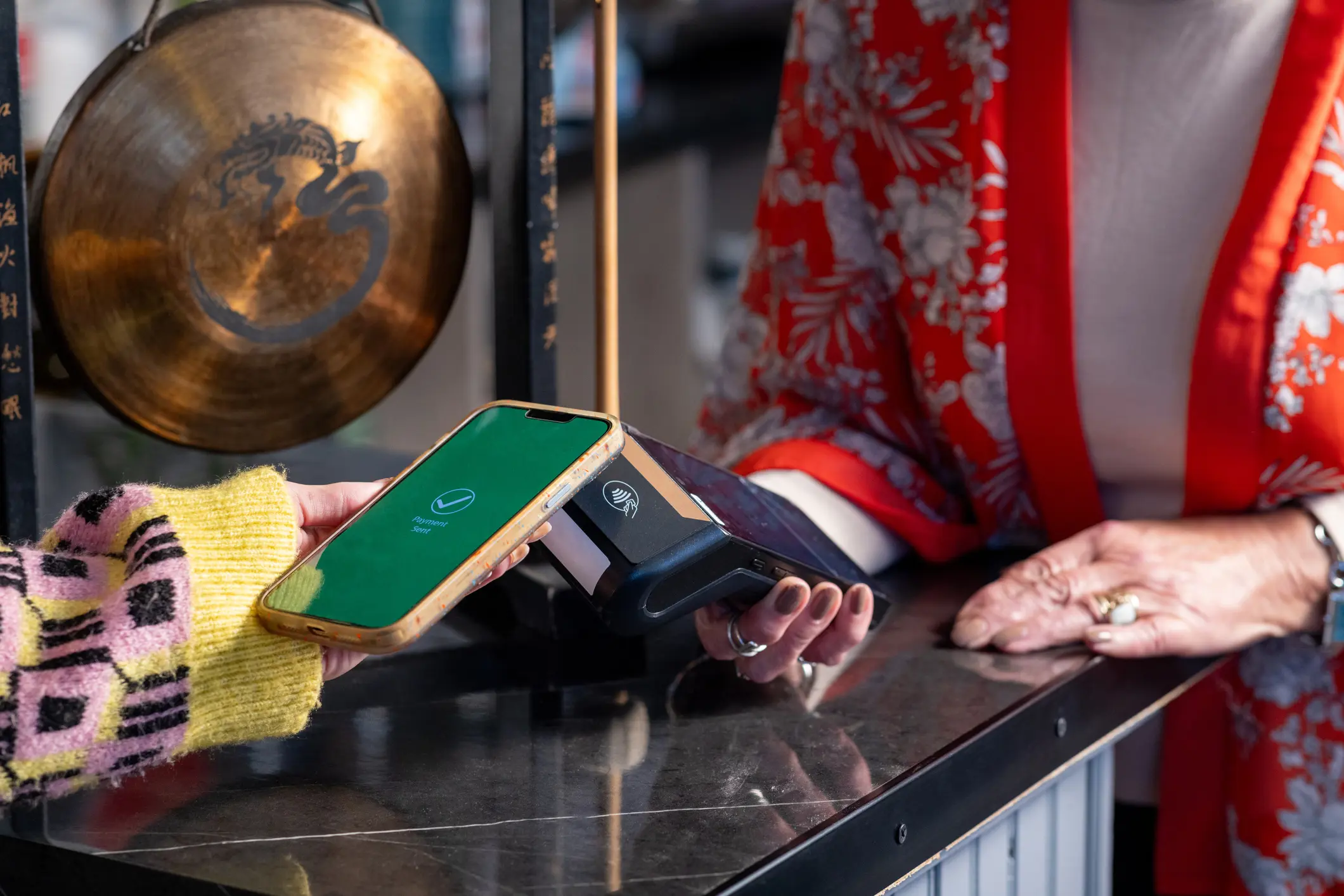
Fake vendors and temporary booths can create another risk. Scammers may use real-looking checkout terminals at kiosks, flea markets, pop-up shops, or event booths to encourage customers to tap to pay. Once a customer taps, the scammer may steal payment information or charge more than the stated amount.4
These scammers often try to rush the transaction, hoping you will not pause to verify the vendor, review the total, or request a receipt. Before tapping, make sure you recognize the retailer, confirm the amount displayed, and avoid using your card with vendors who seem suspicious or unwilling to provide transaction details.
Watch for Accidental Double Payments
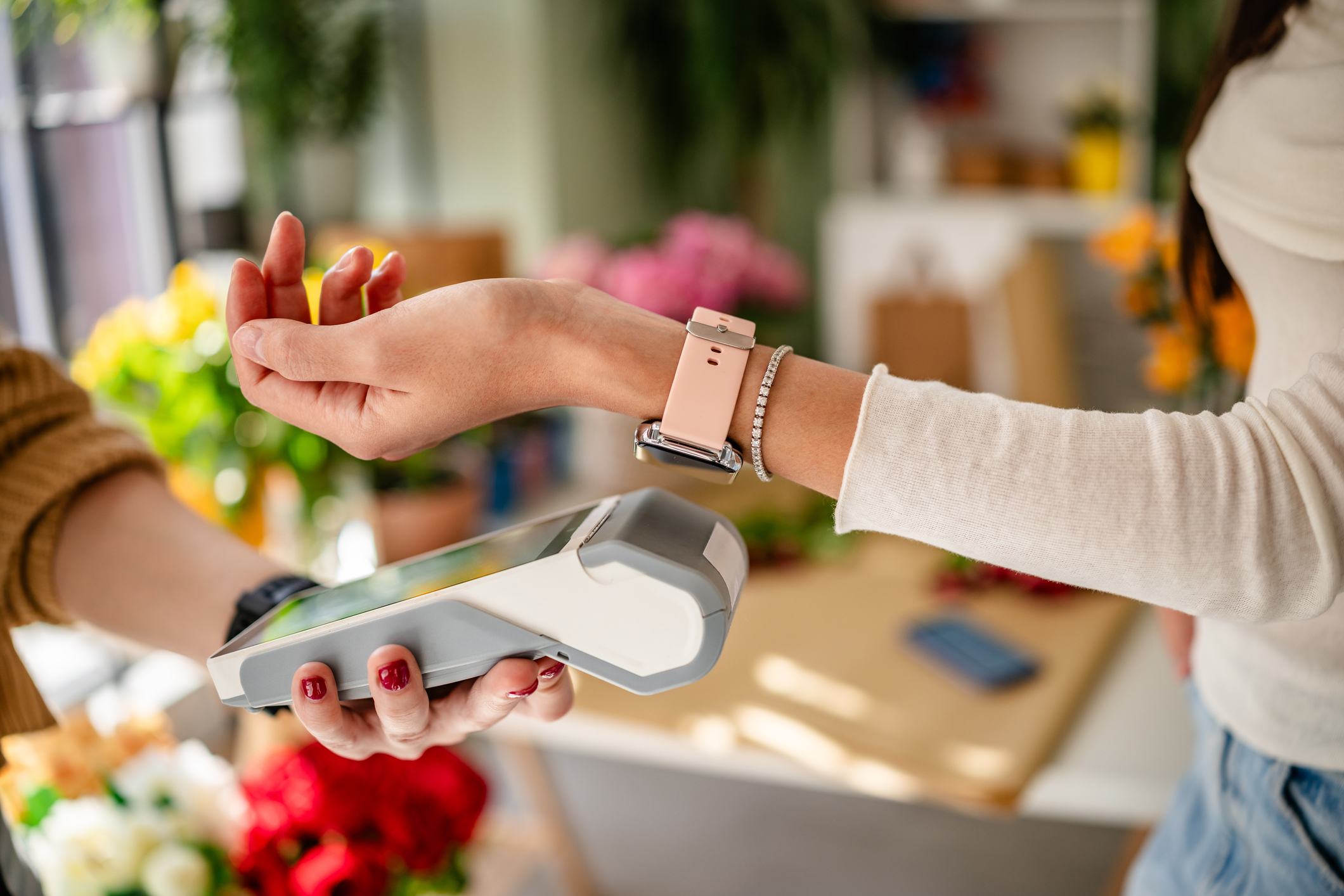
Double payments can also happen unintentionally with tap-to-pay. Some devices automatically open a stored card when they are near a payment reader, such as when boarding a subway or bus. If both your phone and smartwatch have the same card loaded, you could accidentally pay twice.
Using multiple devices for tap-to-pay may also increase exposure if someone attempts to access your payment information. Consider enabling tap-to-pay only on your primary device and removing stored cards from devices you rarely use. Similarly, keep only your main card in your mobile wallet to limit the number of payment methods exposed in a potential fraud attempt.
How to Protect Yourself
According to Security.org, an estimated 61.3 million Americans had fraudulent charges on their credit or debit cards in the past year alone, and adults over 45 are far more likely to be victims.3 While some types of fraud may be beyond your control, everyday habits can help reduce your risk.
- Shop only with reputable retailers and vendors you recognize.
- Always review the transaction amount before tapping.
- Ask for a receipt whenever possible.
- Review your bank and card transactions regularly.
- Watch for small, repeated withdrawals, which scammers may use to avoid fraud detection before attempting larger charges.
- Turn on instant bank or credit card alerts so you are notified immediately when something looks unusual.
- Use an RFID-blocking wallet or card sleeve to help reduce the risk of ghost tapping.
- Limit tap-to-pay use in crowded spaces when possible.
- If you suspect fraud, contact your bank right away and freeze or cancel the affected card.
Aimée Lafond is a Business Analyst in the Technology department at MMBB Financial Services. In her role, she supports a wide range of technical and operational initiatives. Before joining MMBB, Aimée worked in IT and customer service positions in the insurance industry. She received a bachelor's degree in English literature with a minor in business administration from Hartwick College in Oneonta, NY.
The information contained herein is for informational purposes only. While MMBB made every attempt to ensure that the information is accurate, MMBB is not responsible for any errors or omissions or the results obtained from the use of this information. MMBB is not liable for any success or failure that is directly or indirectly related to the use of the information contained herein. The information contained herein does not constitute any financial, insurance, investment, legal, or tax advice. In no event shall, MMBB and/or its fiduciaries, directors, officers, employees, or agents thereof be liable for any special, direct, indirect, consequential, or incidental damages or any damages whatsoever, whether in action of contract, negligence or tort, arising out of or in connection with the use of the information contained herein.
This article is available in audio format through our text-to-speech feature for accessibility and convenience. The text-to-speech feature is generated using artificial intelligence. While we strive for an accurate listening experience, this information may be incomplete or inaccurate. Please refer to the written version as the official source of content. This content should not be relied upon as a substitute for professional advice.