By Natalie Walston, MMBB Director of Accounting
What's in This Article?
- What is Check Washing
- Criminals Use Tech to Cook Up Check Scams
- Common Ways Checks are Stolen
- What Do to If Check Fraud Happens to You
A century-old form of mail and bank fraud is making a comeback: check washing. Reported incidents of this scam reached an all-time high in 2022.
What is Check Washing
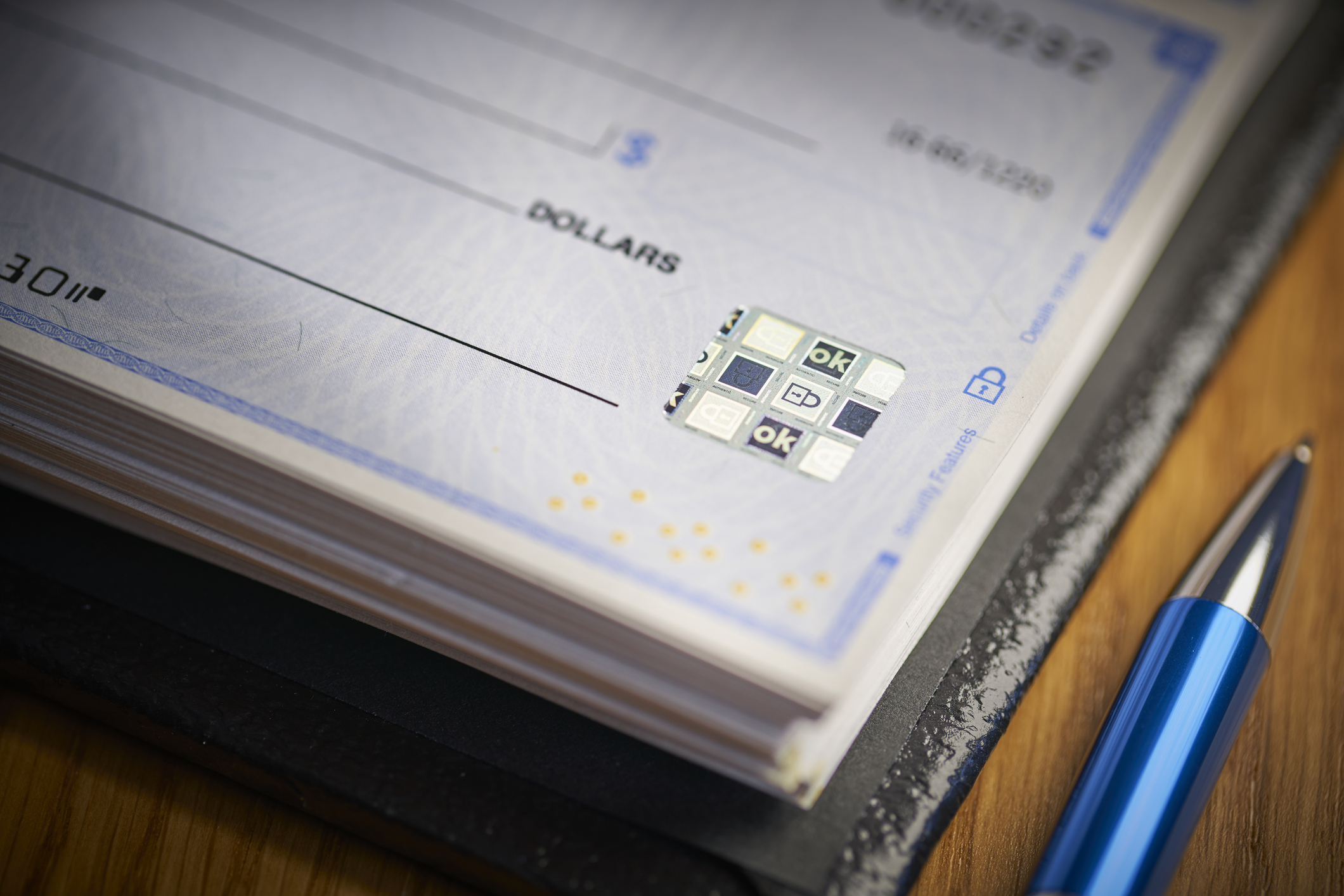
Check washing is a financial crime where paper checks are stolen then “washed” in a chemical solution to remove the original payee and monetary amounts. The chemicals are various agents including acetone, paint thinner or bleach. A protective covering, such as low adhesive tape, is put over the signature to protect it. The check is then hung up to dry. When the process is complete, the fraudsters sell the paper checks or rewrite them for their own use.
Certain types of ink are easier to wash than others. The New York State Division of Consumer Protection recommends using a black gel pen. This type of ink is harder to erase as the ink contains pigments that permeate the check’s fibers.2
Criminals Use Tech to Cook Up Check Scams
A modern variant on this type of fraud is called ”check cooking.” The check is scanned into photo editing software and modified. New checks with the owner’s signature are printed. The thieves may also sell the name, address, routing and bank account numbers. Whether the check has been washed or cooked, the account holder isn’t aware of what happened until the check is cashed or deposited.
Common Ways Checks are Stolen
Personal checks are commonly stolen by “mailbox fishing,” which is when thieves search mailboxes for both outgoing and incoming envelopes potentially containing personal checks. Crooks comb through residential mailboxes and the USPS blue collection boxes.
Here are some tips to avoid check theft during mail transit.
- Hand deliver the check if possible.
- Use the drop off box inside a post office.
- Drop it in a blue USPS mail collection box close to the pickup time.
- Pay bills online.
- Don’t leave mail unattended in your mailbox, this includes both incoming and outgoing mail.
- Monitor bank accounts regularly.
What Do to If Check Fraud Happens to You
If you notice this type of fraud when checking your account, the first thing you should do is contact your bank. You may be responsible for the money if you fail to report it within 60 days of the incident. Other actions to follow:
- Request a stop payment.
- Notify the U.S. Postal Inspection Service and report mail theft.
- Monitor your accounts and your credit report looking for signs of identity theft.
- Consider fraud alerts or credit monitoring.
Check washing may be an old scam, but it continues to create real financial risk for anyone who uses paper checks. By mailing checks carefully, using secure payment options when possible, writing checks with a black gel pen, and reviewing accounts often, consumers can reduce their chances of becoming a victim. If fraud does occur, acting quickly by contacting your bank, reporting mail theft, and watching for signs of identity theft can help limit further damage.
Natalie Walston has been Director of Accounting at MMBB since 2019. Prior to joining MMBB, she was a senior auditor at BDO USA, LLP and before that she served as a senior auditor at Ernst and Young. Natalie earned a Bachelor of Science degree in accounting from Hampton University in Virginia.