Most clergy pride themselves on being biblically literate. We realize that biblical literacy is not a one-shot affair; we continue to dedicate time and energy to scriptural study throughout our careers.



by MMBB Financial Planning Specialist Keith R. Davenport, CFP®, MPASTM, RICP®
Maya saw her credit score as something out of her control, a background hum she ignored while telling herself she’d deal with it later—until the day her apartment application was denied.
That night, sitting at her kitchen table, she opened her credit report for the first time. The number stared back at her like a judgment reflecting years of avoidance: a forgotten medical bill, a maxed-out credit card from when her car broke down, late payments she’d brushed off as no big deal. It wasn’t irresponsibility so much as being overwhelmed and the belief that it was too late to fix.
There were no shortcuts or dramatic transformations to raising Maya’s credit score, just small, uncelebrated steps. In the first installment of this two-part article, we’ll share some of the steps that Maya took and that you can take to rebuild your credit score.
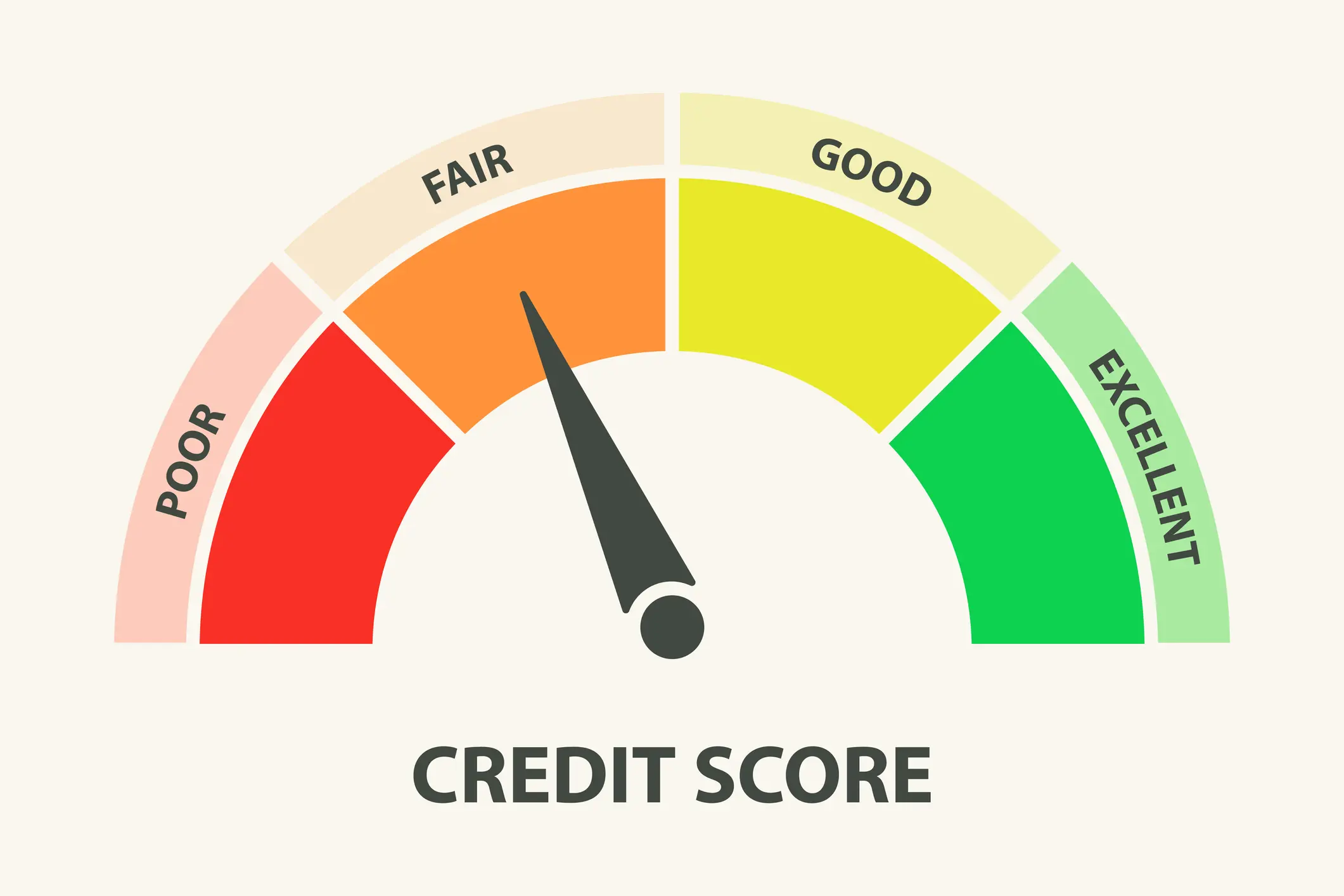
How to Raise your Credit Score
Credit reports play an important role in your financial life and we encourage you to review your credit report history regularly. First, you need a basic understanding of the factors that affect a credit score. A credit score is typically based on five main components:
Free weekly online credit reports are available at www.annualcreditreport.com. Check for incorrect late marks, incorrect balances, or fraudulent accounts, and file disputes to correct any inaccuracies you find.
Here are a few tips to help raise your credit score, keeping each factor in mind.
1. Always pay on time. Payment history makes up 35% of your credit score, so paying on time is one of the most effective ways to improve it. To make on-time payments easier:
2. Talk to your creditors
If you hit a rough patch and miss a payment or two, contact your creditors as soon as possible and explain the situation. Ask about:
3. Know how medical debt may hurt your score
Medical debt can affect your credit score if it goes unpaid, is sent to collections, and exceeds $500. Medical debt under $500, paid medical collections, and debts less than a year old (from the first delinquency) generally don’t appear on credit reports or impact scores.
However, if you live in California, Colorado, Connecticut, Delaware, Illinois, Maine, Maryland, Minnesota, Oregon, New Jersey, New York, Rhode Island, Vermont, Virginia or Washington, medical debt may not affect your credit score. These 15 states have laws that prohibit the use of medical debt in credit reporting.
4. Start an emergency fund
Once you’ve started to raise your credit score, the best way to protect it going forward is to plan for the next curveball. One way to do this is to start an emergency fund. Even a small, automatic transfer each payday can help you avoid relying on credit when something unexpected happens.
Watch for part two of this article when we’ll explore how to use your credit utilization to your advantage.
The information contained in this article is for informational purposes only. MMBB is not liable for any success or failure that is directly or indirectly related to the use of the information. Any inclusion of third-party links does not represent an endorsement by MMBB. The information contained in it does not constitute any financial, insurance, investment, legal, or tax advice.

Translations of any materials into languages other than English are intended solely as a convenience to the non-English-reading public. We have attempted to provide an accurate translation of the original material in English, but due to the nuances in translating to a foreign language, slight differences may exist.
Las traducciones de cualquier material a idiomas que no sean el inglés son para la conveniencia de aquellos que no leen inglés. Hemos intentado proporcionar una traducción precisa del material original en inglés, pero debido a las diferencias de la traducción a un idioma extranjero, pueden existir ligeras diferencias.
You will be linking to another website not owned or operated by MMBB. MMBB is not responsible for the availability or content of this website and does not represent either the linked website or you, should you enter into a transaction. The inclusion of any hyperlink does not imply any endorsement, investigation, verification or monitoring by MMBB of any information in any hyperlinked site. We encourage you to review their privacy and security policies which may differ from MMBB.
If you “Proceed”, the link will open in a new window.

 Back to Top



 Next
Next Next
Next