
Most clergy pride themselves on being biblically literate. We realize that biblical literacy is not a one-shot affair; we continue to dedicate time and energy to scriptural study throughout our careers.



By Rev. Dr. William Foster, Director of Marketing & Strategic Relationships
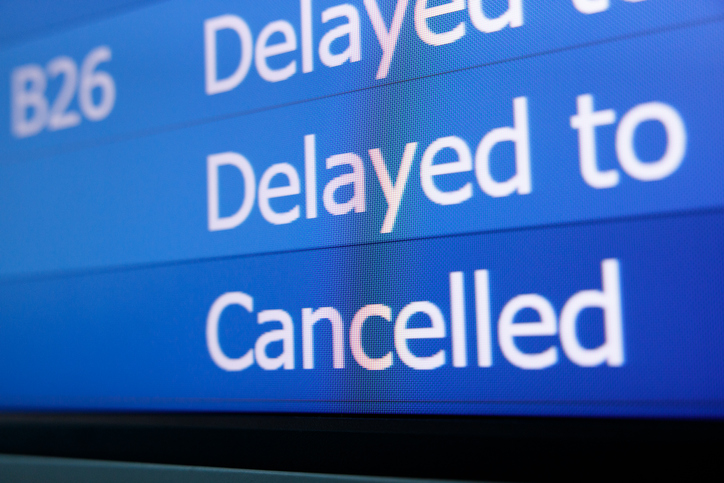
Andrea was supposed to land in Madrid the night before her birthday, a dream trip she had been planning for several months. Instead, she found herself at the gate of her now-canceled flight after severe weather grounded flights in the region. Luckily, the airline was able to rebook her flight two days later; however, her hotel reservations and planned activities were non-refundable.
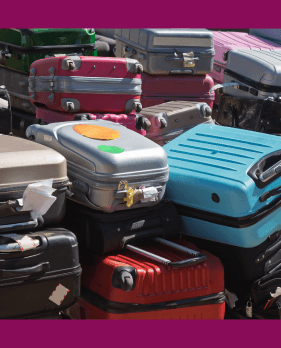
Situations like this can leave travelers incurring unexpected costs out of pocket, which is why many consider purchasing travel insurance. This coverage provides financial protection before or during a trip. Depending on the policy you purchase, it can reimburse you for cancellations and rescheduling, medical emergencies, lost luggage, flight delays and other conflicts. In essence, travel insurance can serve as a safeguard against unexpected disruptions.
A Practical Guide to Travel Insurance
For some travelers, insurance can be a worthwhile investment. International trips, expensive vacations, or plans with non-refundable reservations may carry a greater financial risk. The average cost of travel insurance is between 4 and 6 percent of your trip, though it can vary based on factors such as your age and the trip length. When choosing a policy that’s best for you, Forbes Advisor highlights these key factors to consider:

Frequent travelers may opt for annual travel insurance plans instead of purchasing coverage for each trip individually. Annual policies can provide protection for multiple trips taken throughout the year.
However, for some trips, travel insurance may not always be necessary. If a trip includes mostly refundable bookings, the financial risk may already be limited. Some credit cards also provide travel protection when flights or accommodations are purchased using their card. This may include trip cancellation coverage, rental car insurance, or reimbursement for lost luggage, which could reduce the need for an additional policy.
How It Works
Typically, you don’t receive your compensation right away. Travel insurance reimburses your loss after you've filed and submitted a claim. Insurance companies typically ask for supporting documentation such as receipts or medical records, generally within 20 to 90 days of the incident, depending on the provider. However, it’s best to file claims as soon as possible, and it is important to research the claims process and compare quotes from different policies and companies.
For travelers like Andrea, trip interruption coverage could have helped offset some of the financial loss. While her airline rebooked her departure, travel insurance may have helped reimburse the hotel.
Ultimately, whether travel insurance is worth it depends on the traveler’s situation. Trips that involve high upfront costs, international travel, or tight itineraries may benefit from the extra protection. Reviewing policy details and existing travel benefits can help travelers decide if purchasing travel insurance makes sense for their trip. In any case, a little preparation goes a long way toward peace of mind.
Sources:
1.Best Travel Insurance Companies - Forbes Advisor
Travel Insurance Explained: When It's Worth It and What You're Covered For - Insurance Specialists
What Does Travel Insurance Cover? A Complete Guide to Benefits and Policies – Forbes Advisor
Translations of any materials into languages other than English are intended solely as a convenience to the non-English-reading public. We have attempted to provide an accurate translation of the original material in English, but due to the nuances in translating to a foreign language, slight differences may exist.
Las traducciones de cualquier material a idiomas que no sean el inglés son para la conveniencia de aquellos que no leen inglés. Hemos intentado proporcionar una traducción precisa del material original en inglés, pero debido a las diferencias de la traducción a un idioma extranjero, pueden existir ligeras diferencias.
You will be linking to another website not owned or operated by MMBB. MMBB is not responsible for the availability or content of this website and does not represent either the linked website or you, should you enter into a transaction. The inclusion of any hyperlink does not imply any endorsement, investigation, verification or monitoring by MMBB of any information in any hyperlinked site. We encourage you to review their privacy and security policies which may differ from MMBB.
If you “Proceed”, the link will open in a new window.

 Back to Top



 Next
Next Next
Next