Most clergy pride themselves on being biblically literate. We realize that biblical literacy is not a one-shot affair; we continue to dedicate time and energy to scriptural study throughout our careers.



Did you know conserving energy offers you the opportunity to wisely steward not just the environmental resources God has gifted us, but also your personal financial resources? Energy rebates and tax incentives help you save money while doing your part for the planet. The government and utility companies are offering attractive clean energy rebates and tax benefits. Let’s dive into how to maximize these opportunities and keep more cash in your pocket this year.
Energy rebates are financial incentives that encourage homeowners and renters to invest in energy-efficient appliances, home upgrades, and renewable energy systems. For instance, if you’re considering installing solar panels or upgrading to energy-efficient windows, you could qualify for rebates that significantly lower the upfront costs. Check with your local utility provider and state government to see what’s available in your area.1
Note: Many rebate programs require pre-approval before you make a purchase, so don’t forget to read the fine print!
If you haven’t heard about the Inflation Reduction Act (IRA), now is a great time to familiarize yourself with it. This landmark legislation has expanded tax credits for renewable energy investments, making it easier than ever to go green. Here are some highlights:
These tax credits reduce your taxable income, effectively giving you back a portion of what you spend on green upgrades.
Your local utility company is another goldmine for energy savings. Many utilities offer incentives for energy-efficient appliances or home upgrades. For example:
Visit your utility company’s website to explore ongoing programs and rebates tailored to your region.
If you’re in the market for a new car, you may want to consider going electric. The federal government is offering tax credits up to $7,500 for new EVs and $4,000 for used ones, provided they meet specific requirements. Plus, many states offer additional rebates or incentives that can be combined with federal benefits. Driving an EV not only saves on fuel costs, but also reduces your carbon footprint.5
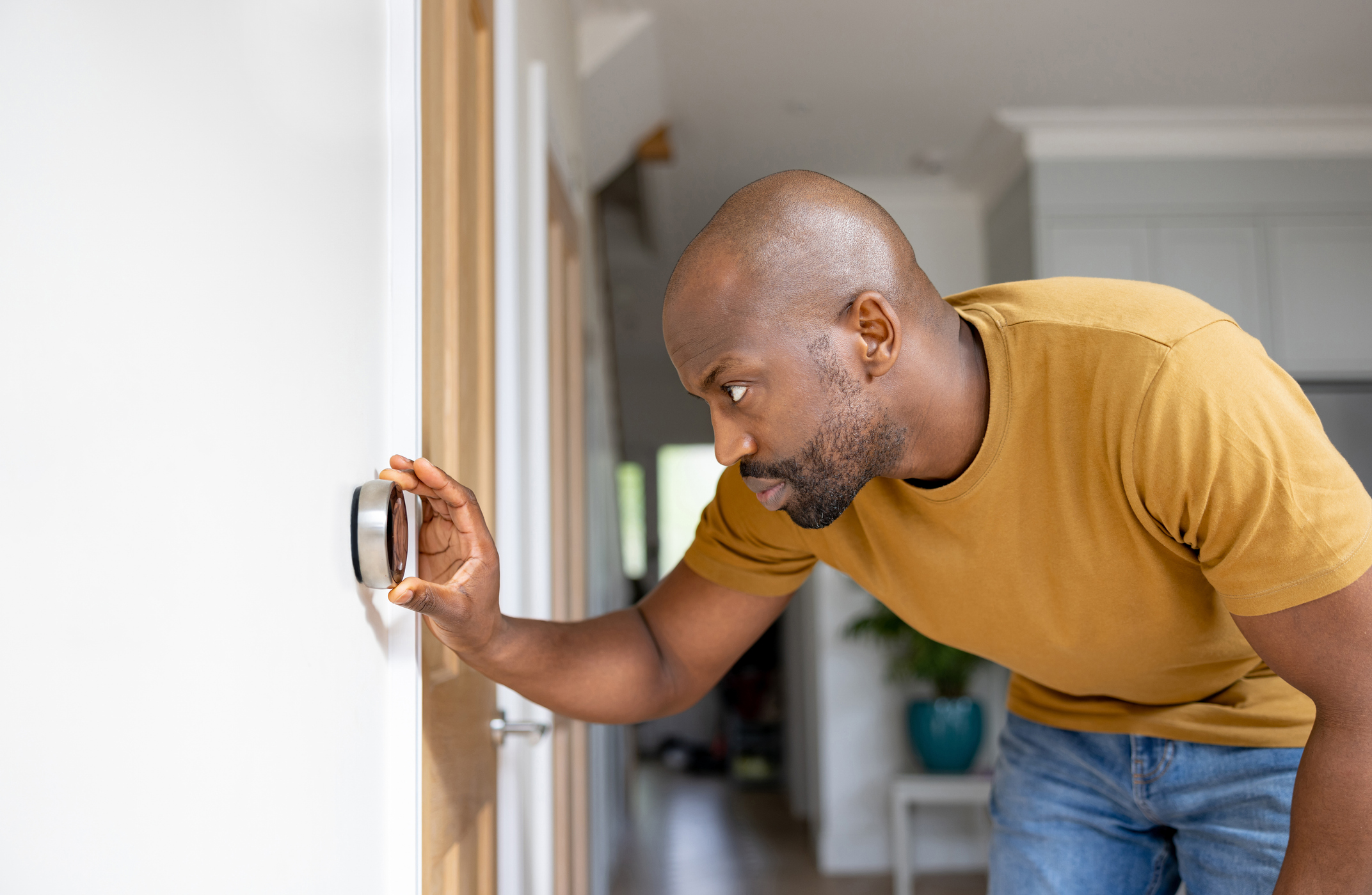
You don’t need to undertake massive renovations to save. Smaller, budget-friendly upgrades like installing LED lighting, adding a smart thermostat, or weather-stripping doors and windows may seem minor, but they can add up to significant savings on your energy bills over time.
To make the most of these opportunities, follow these steps:
Whether you’re upgrading your home, buying an EV, or making small tweaks to your energy usage, there are plenty of programs to support your journey. Take the time to explore your options and start saving today. After all, a greener planet and a healthier wallet are goals worth keeping.
Footnotes:
Translations of any materials into languages other than English are intended solely as a convenience to the non-English-reading public. We have attempted to provide an accurate translation of the original material in English, but due to the nuances in translating to a foreign language, slight differences may exist.
Las traducciones de cualquier material a idiomas que no sean el inglés son para la conveniencia de aquellos que no leen inglés. Hemos intentado proporcionar una traducción precisa del material original en inglés, pero debido a las diferencias de la traducción a un idioma extranjero, pueden existir ligeras diferencias.
You will be linking to another website not owned or operated by MMBB. MMBB is not responsible for the availability or content of this website and does not represent either the linked website or you, should you enter into a transaction. The inclusion of any hyperlink does not imply any endorsement, investigation, verification or monitoring by MMBB of any information in any hyperlinked site. We encourage you to review their privacy and security policies which may differ from MMBB.
If you “Proceed”, the link will open in a new window.

 Back to Top



 Next
Next